It wasn't. Against what seemed like considerable odds, Bloober Team delivered something extraordinary — a remake that earns its place alongside the original, and in several meaningful ways, surpasses it.
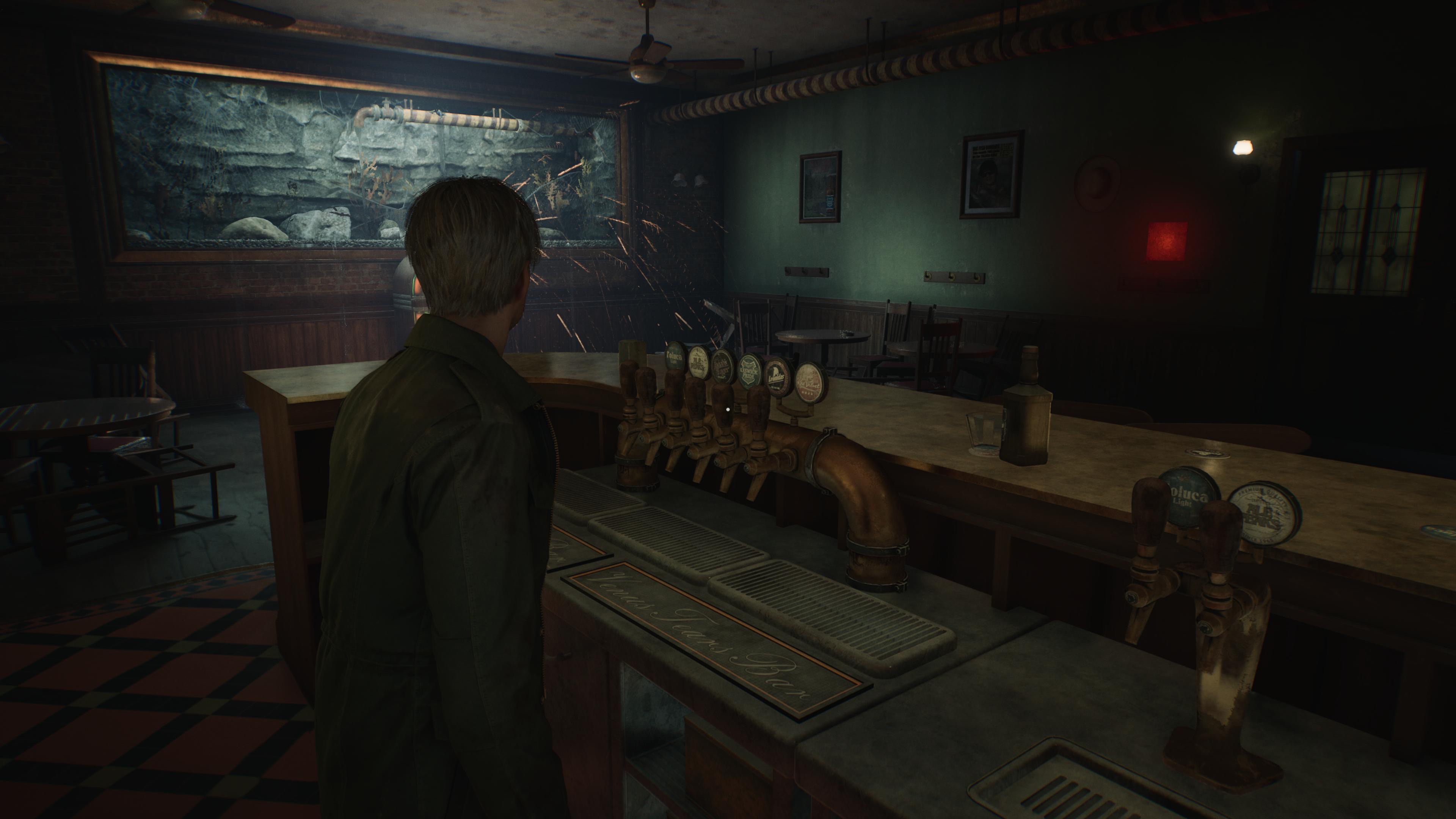
The Fog Rolls In Again
For the uninitiated: Silent Hill 2 tells the story of James Sunderland, a man who receives a letter from his wife Mary — three years after her death. The letter calls him to Silent Hill, a lakeside resort town blanketed in an impenetrable grey fog, populated by shambling, grotesque monsters and a rotating cast of deeply damaged survivors. What James finds there is not a reunion. It's a reckoning.
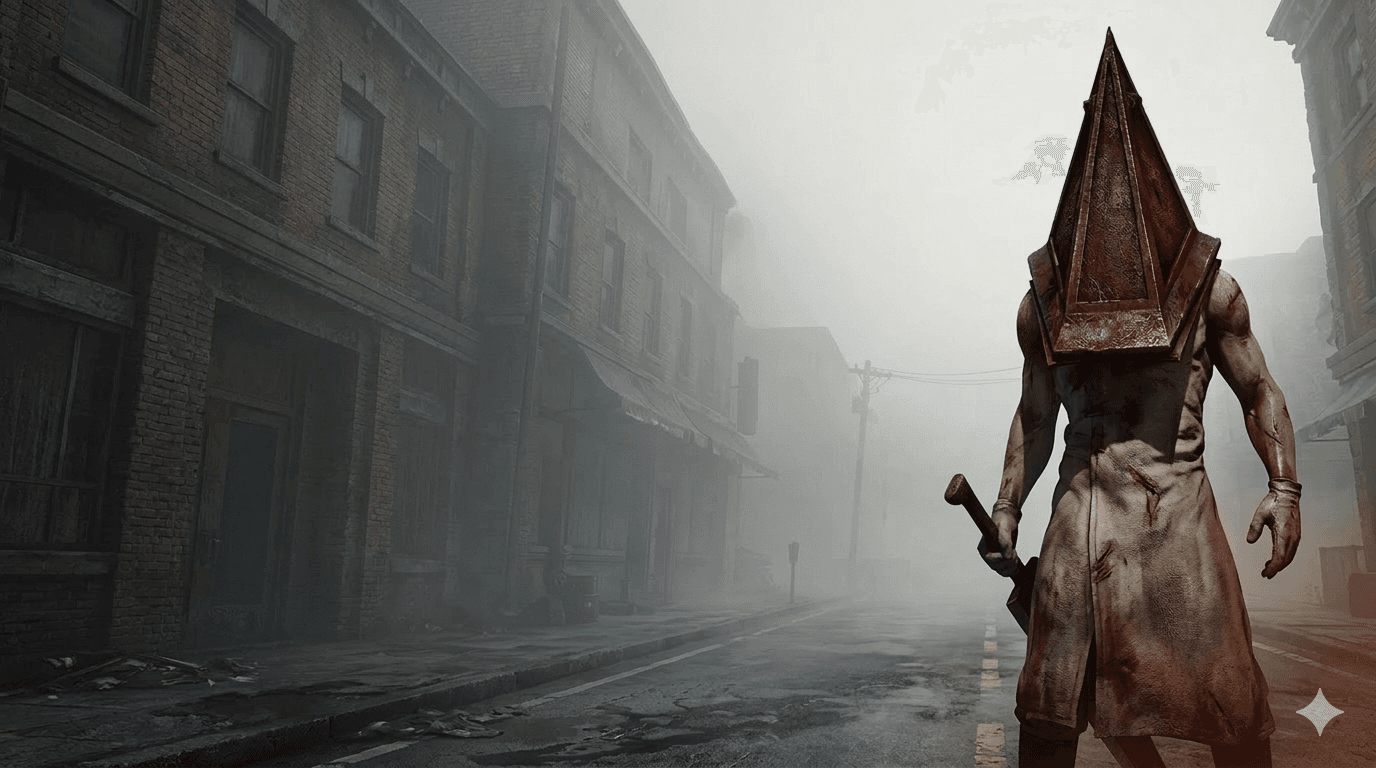
The original 2001 game was a technical marvel of suggestion — its PlayStation 2-era fog wasn't just a hardware limitation, it was a psychological canvas. The monsters weren't random. Pyramid Head wasn't cool-looking for the sake of it. Every element of Silent Hill was an externalization of James's interior world, a trauma landscape given physical form. That thematic coherence is what elevated it from horror game to genuine artistic statement.
The remake understands all of this. More than understands — it amplifies it.
Visual Fidelity That Earns Its Existence
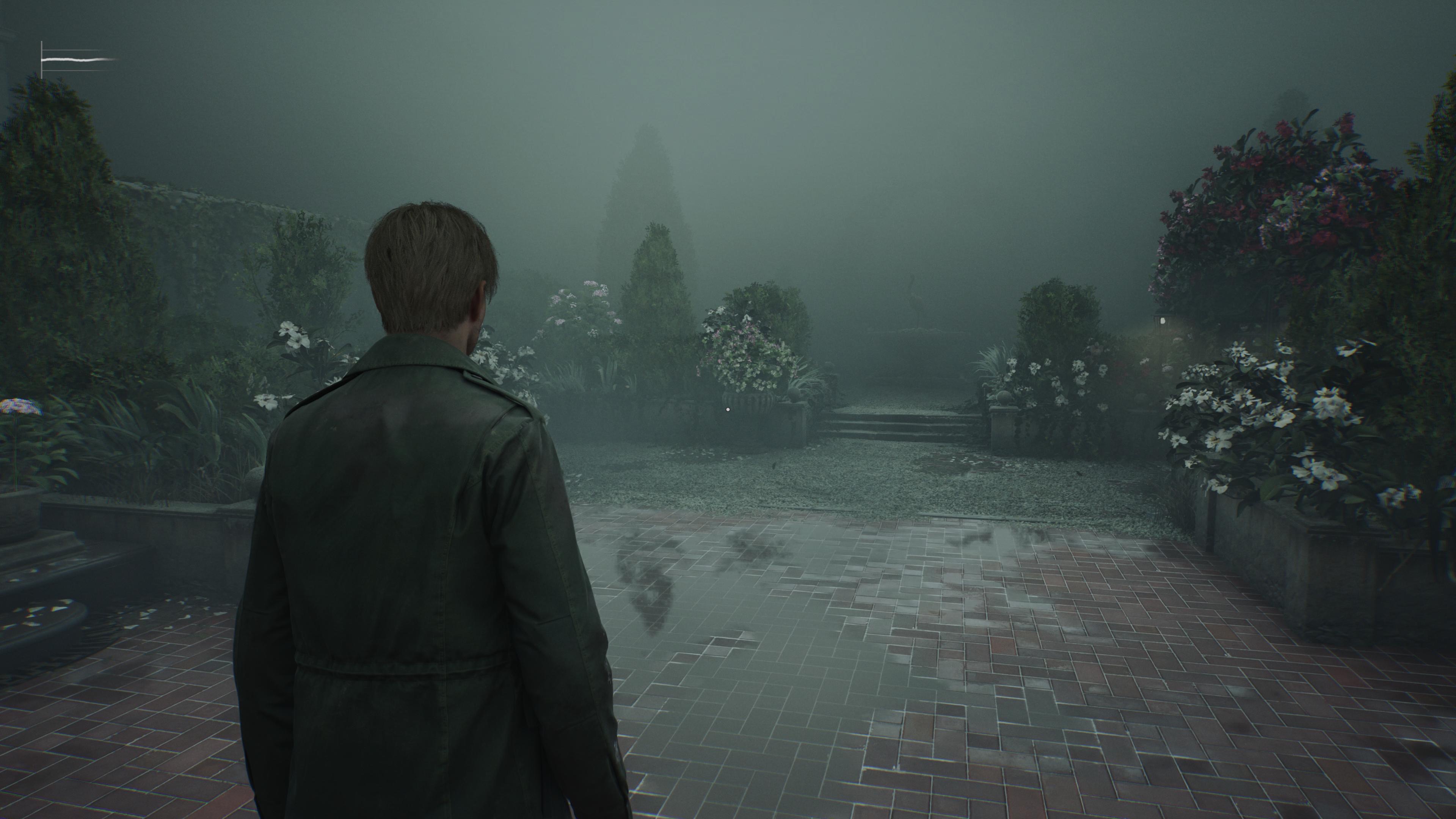
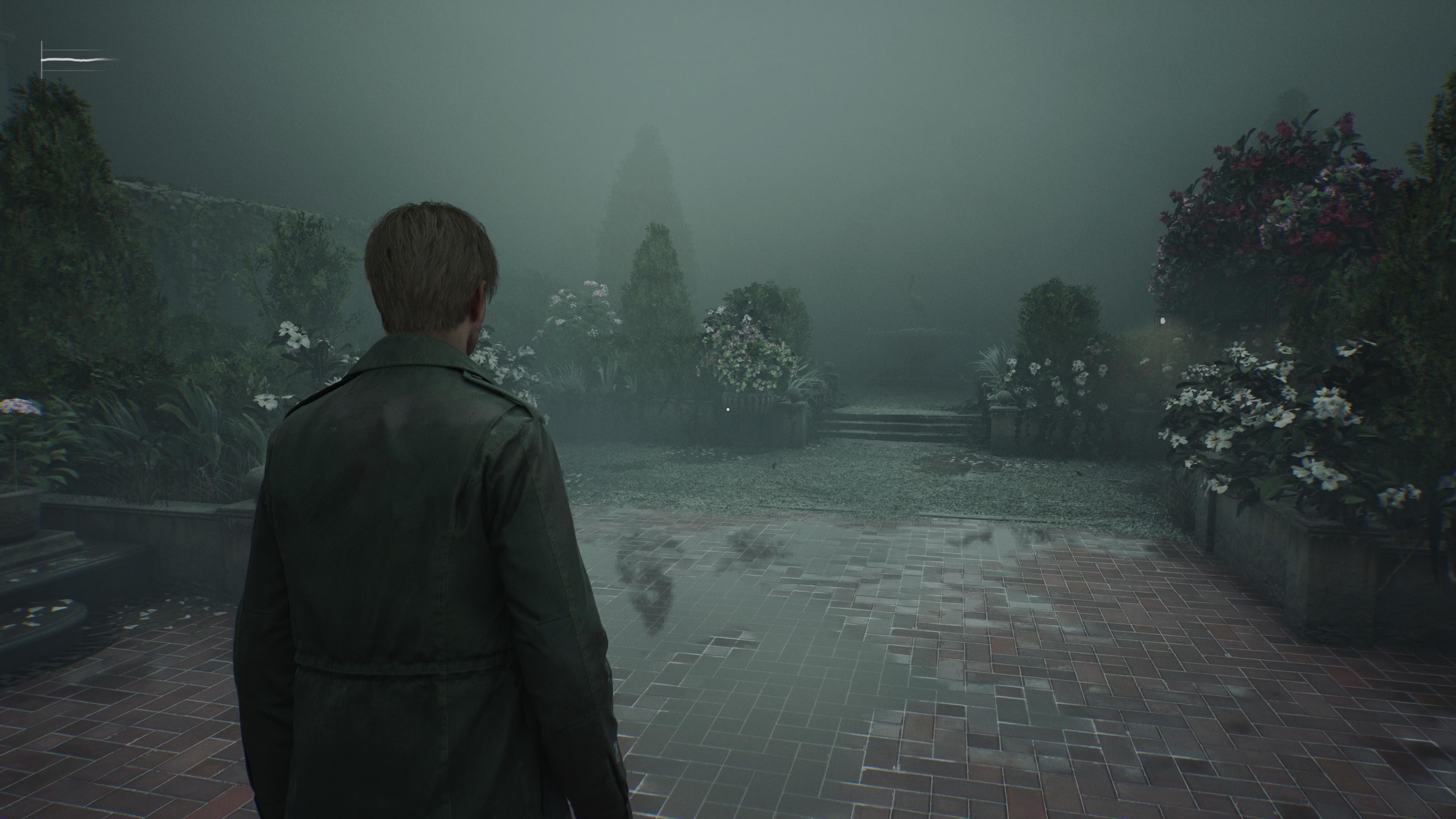
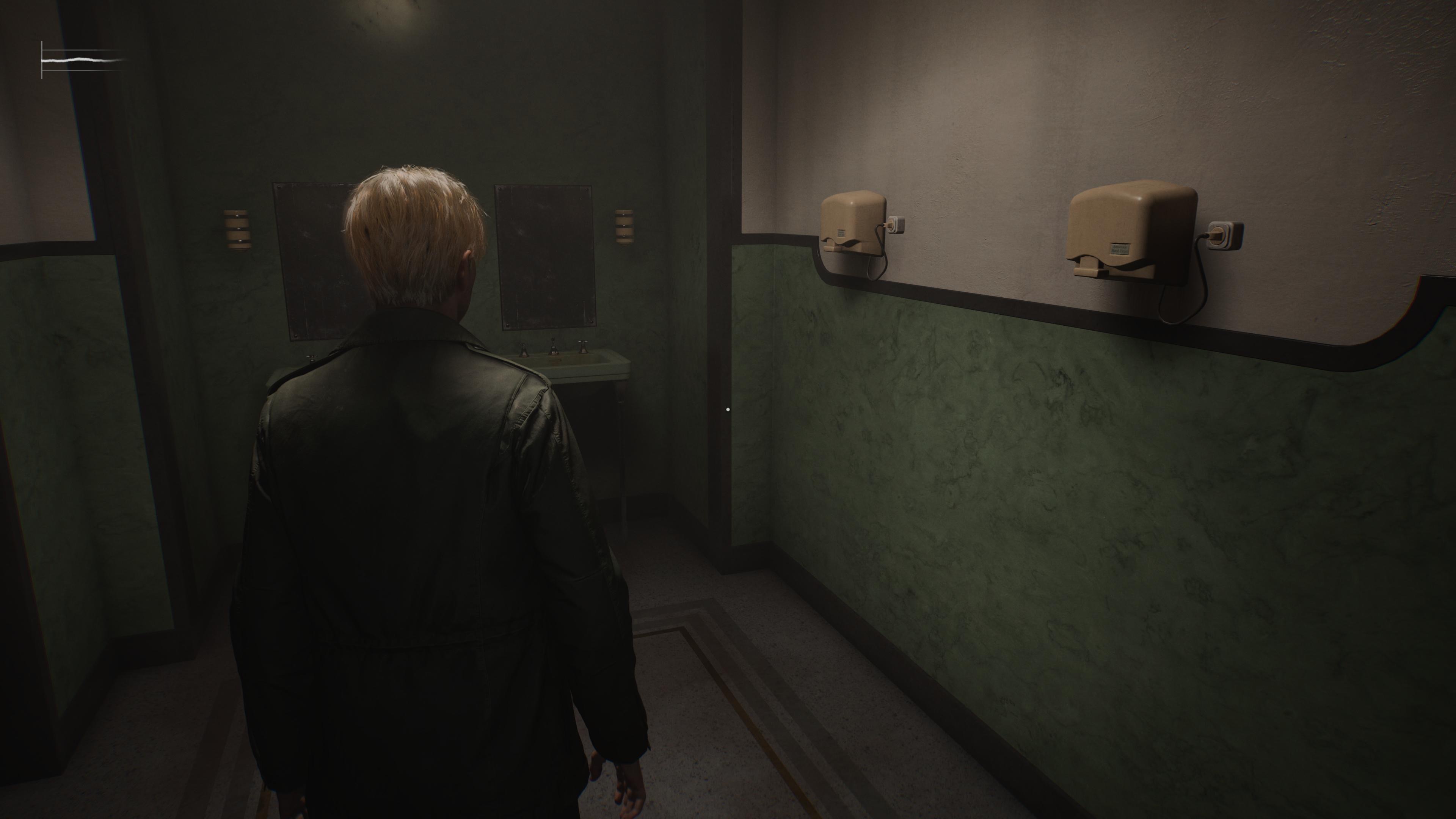
Let's start with the obvious: this game looks absolutely stunning. Built on Unreal Engine 5, the remake deploys a level of environmental detail that the original could only gesture toward. Rust bleeds down corrugated metal walls in patterns that feel geologically earned. Water doesn't just reflect — it distorts, ripples, swallows. The fog, now rendered volumetrically rather than as a distance cull, has genuine depth and texture, shifting from opaque curtains in the streets to thin, sickly wisps in enclosed spaces.
But the visuals earn their weight because they serve the mood rather than showing off. This is not a game that wants you to stop and admire the foliage. The Brookhaven Hospital's flickering fluorescents cast moving shadows that make every empty corridor feel occupied. The residential district, with its overturned cars and collapsed porches, looks like it has been forgotten not just by its inhabitants but by time itself. Toluca Lake — barely seen, always felt — hangs at the edge of every outdoor view like a grey wound in the world.
James himself is redesigned with a face that reads as genuinely haunted rather than the blankly handsome template of the original. His new actor, Luke Roberts, gives him a physical performance of genuine nuance: the hunched shoulders, the eyes that never quite focus, the way he moves through horror like a man who doesn't entirely expect or want to survive it.
The Third-Person Perspective: A Radical Choice That Works
This is where many were most skeptical, and rightfully so. The original used a fixed-camera system that created disorientation and helplessness as an explicit design strategy. The remake switches to an over-the-shoulder third-person perspective more in the style of the Resident Evil 2 remake — a comparison that's apt but ultimately sells the new camera short.
Where Resident Evil 2 used its camera to heighten action tension, Bloober Team uses theirs to deepen psychological unease. The camera sits uncomfortably close to James — too close, often, creating a kind of claustrophobic intimacy that makes quiet moments feel as pressured as combat ones. It lingers on James's expressions during cutscenes in ways that tell you more than his dialogue does. When he walks into a room that should horrify him and his face settles into something that isn't quite fear, the camera is right there to catch it.
The perspective shift also opens the door to genuinely excellent environmental storytelling. You now navigate Silent Hill rather than being narrated through it. The Otherworld transitions — moments where the mundane world corrodes into a hellscape of chain-link and blood — are experienced through James's body, not just his perspective. You feel the shift before you see it.
Combat That Respects Your Intelligence
The combat has been completely rebuilt and is, frankly, better than it has ever been in the series. This is not a statement I make lightly, because Silent Hill's combat was always intentionally uncomfortable — you were supposed to feel weak and ill-equipped, not empowered. The remake threads this needle beautifully.
James has a dodge, a block, and a variety of close-range and ranged options, but none of them feel reliable enough to make you cocky. The Mannequins — those awful spider-legged amalgamations of half-torsos — still terrify because they're unpredictable in ways that feel choreographed rather than random. The dodge window is real but tight. The block is meaningful but not a shield. Resources are scarce without feeling unfair.
Pyramid Head's first encounter, the famous "boss fight that isn't," has been reworked into something that succeeds on its own terms. The original's genius was in making you realize, too late, that you cannot win — that trying was perhaps the point. The remake's version extends this idea while giving James more agency in the lead-up, making his eventual helplessness land harder because of the effort expended.
The new boss fights added to the remake are largely excellent. One in particular — set in a space that transforms its geometry as the fight progresses — is among the best original content the series has seen in years.
Sound Design: The True Heir to Akira Yamaoka
Speaking of things that seemed impossible to replicate: the audio. Akira Yamaoka's original score for Silent Hill 2 is considered one of gaming's greatest soundtracks — a blend of industrial noise, ethereal ambient music, and surprisingly tender acoustic passages that together created something emotionally sui generis.
Yamaoka returns for the remake. He was always going to return. And the new compositions honour the original while finding new emotional registers within it. "Promise (Reprise)" hits differently when it scores scenes that are shot with the care and craft the new engine allows. The industrial clanging of the Otherworld sequences has been augmented with textures that feel genuinely unpleasant — not in the cheap horror movie sense, but in the way that certain sounds activate something primal and wrong.
The sound design beneath the music deserves equal praise. Silent Hill breathes and groans. Footsteps change meaningfully between surfaces in ways that tell you about the space before your eyes do. Radio static — still used as the monster-proximity indicator — crackles and spits in ways that feel almost malevolent, an anticipatory dread that the original's primitive audio couldn't fully achieve.
The Writing: Faithful Where It Matters, Improved Where It Should Be
This is the area most hotly debated in pre-release discourse, and it's where the remake most clearly demonstrates genuine understanding of its source material. The original's script was famously stilted — partly a translation artifact, partly deliberate, always effective. The characters spoke in ways that felt slightly wrong, and that wrongness was part of the atmosphere.
The remake's new script smooths some of the rougher edges without sanding away the dreamlike quality. Eddie's unhinged monologues feel more grounded in genuine pathology. Angela's exchanges with James — the most emotionally pivotal of the game — now carry an additional layer of subtext that makes her tragedy more visible without making it more legible. Maria remains deliberately artificial in ways that should tell you something about her nature long before the game explicitly does.
James himself benefits most from the new writing. Roberts's performance gives him an interiority the original's translation couldn't. His guilt isn't performed — it seeps through in the way he asks questions he should know the answers to, in the way he can't quite look at things directly. The final revelations, when they come, land with proper weight partly because the preceding hours have been spent in the company of a man who is, in some important sense, not fully present.
The secondary endings — most of the original's are preserved, with new additions — remain satisfying. The additional lore woven into environmental storytelling (notes, documents, contextual details in the architecture) enriches without over-explaining. This is a game that trusts you to pay attention and rewards the attention paid.
Pacing and Structure
Silent Hill 2's structure has always been episodic in nature — distinct areas connected more by emotional logic than by strict geographical sense. The remake respects this structure while tightening some of the original's longer connective tissue.
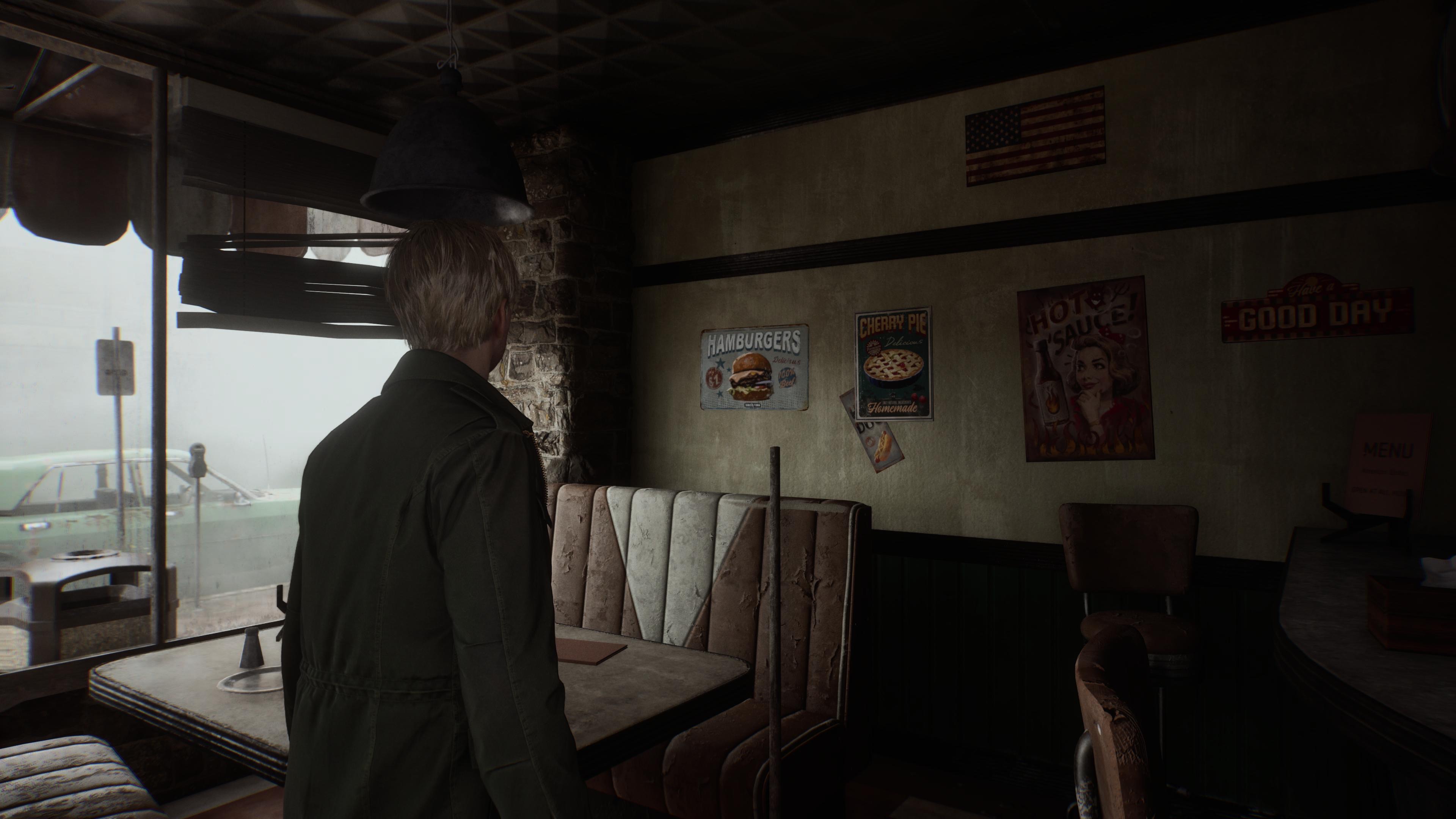
The transition between Toluca Prison and the hotel is handled better here than in the original, where it could feel abrupt. The hospital — always the game's centerpiece — is expanded without overstaying its welcome, with new sections that deepen the building's function within the game's symbolic vocabulary. The revised layout of Neely's Bar and the surrounding streets creates a more navigable mental map without losing the sense of disorientation that the area requires.
If there is a structural criticism, it's that the early game occasionally lingers a beat or two longer than necessary in empty spaces before earning the next encounter. This is a minor point, and one that feels like Bloober Team erring on the side of restraint — which, given the alternatives, is entirely the right mistake to make.
A Note on What "Faithful" Really Means
There's a version of this remake that could have been faithful in the worst sense: identical in structure, updated only in resolution, a museum piece given a coat of paint. That's not what was made.
The best remakes — Demon's Souls, Resident Evil 2, Final Fantasy VII Remake to varying degrees — understand that fidelity to the experience of the original sometimes requires departing from its form. Silent Hill 2 Remake changes mechanics, camera, script, and portions of level design not because it disrespects the source but because it understands that the source's power was never in its specific puzzle placements or camera angles. It was in the feeling: the weight of grief made manifest, horror as internal landscape, the terrible intimacy of a story about what we do to ourselves and others in the name of love.
That feeling is here. It is here in every grey corridor and rusted stairwell, in every encounter with Pyramid Head, in every conversation where Angela and James circle around truths neither of them can say directly. It is here when the music swells at a moment it shouldn't, when the fog closes in, when James says something that sounds like hope and you know better.
Final Verdict
Silent Hill 2 Remake is a triumph. It is the best horror game released in years, one of the finest remakes in the medium's history, and a genuine work of craft that earns every second of the reverence it pays to its source. Bloober Team, against considerable expectation, have not only risen to the challenge — they have, in some ways, illuminated parts of the original that even its most devoted admirers hadn't fully seen.
The fog is still grey. The monsters are still yours. James Sunderland is still looking for his wife.
He shouldn't have come here. You won't be able to stop yourself from following him.
Rating: 9.5/10