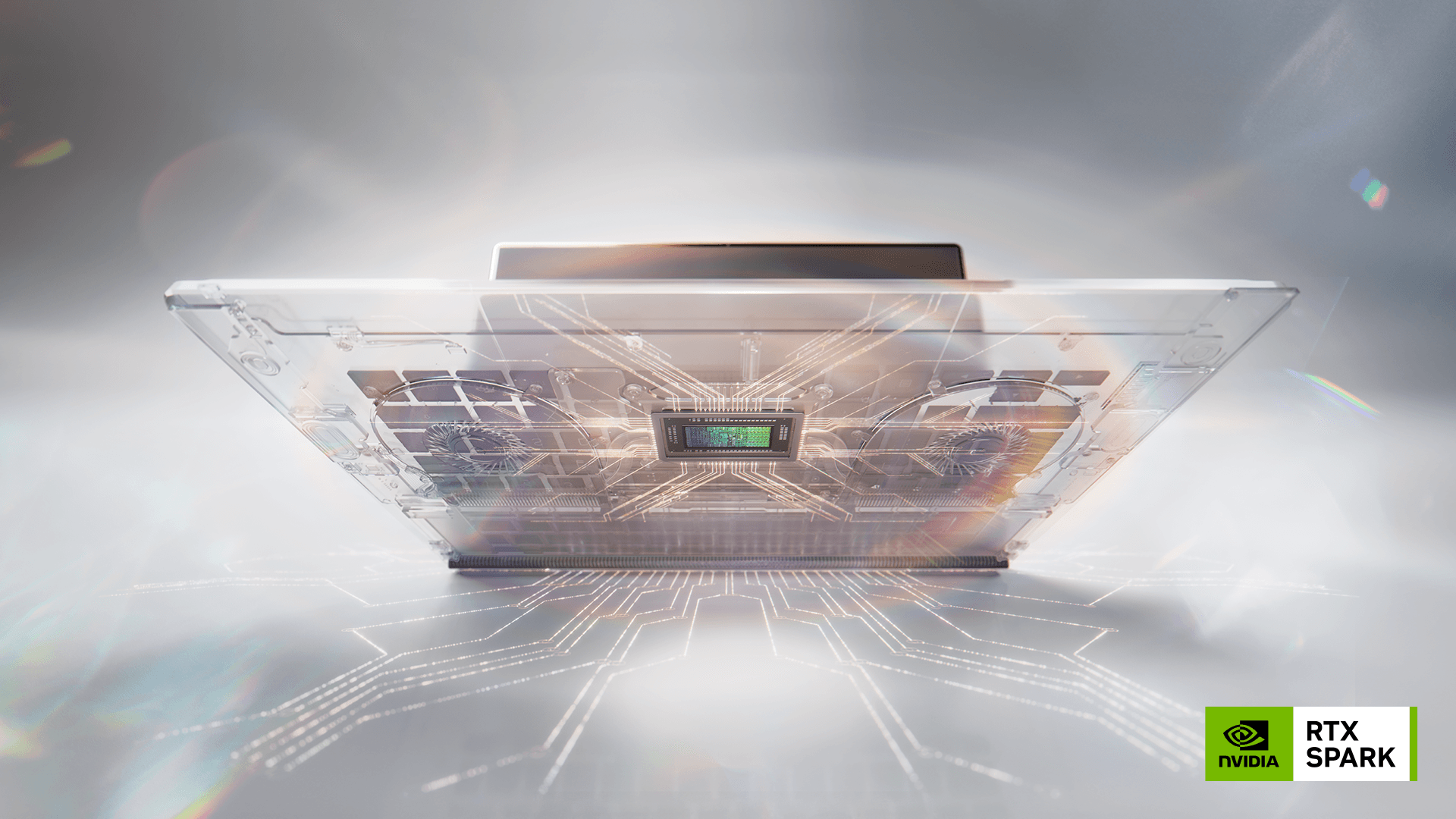
Historically, running complex Large Language Models (LLMs) or sophisticated generative video tools required a massive pipeline to external servers—resulting in latency, high subscription costs, and major data privacy concerns. RTX Spark system architecture changes the game by utilizing Nvidia's next-generation tensor cores alongside Microsoft’s deep Windows 11 integration.
What does this mean for the average user?
Autonomous AI Agents: Instead of a basic chatbot, local AI agents can securely scan your entire local hard drive to organize files, write code, or edit video without ever uploading a single byte to the internet.
Instantaneous Processing: Zero-latency voice dictation, real-time video manipulation, and live application translation will happen locally on the hardware level.
This move also signals Nvidia's aggressive play to dominate the emerging "AI PC" market, ensuring that as Microsoft leans heavier into Copilot features, Nvidia silicon remains the mandatory backbone of personal computing.
The RTX Spark launch marks the beginning of the end for pure cloud-reliance. By giving consumers the power of a mini-data center right under their desks, Nvidia and Microsoft are rewriting the rules of PC hardware. If you're looking to upgrade your setup this year, "AI tops" and local processing metrics are about to become way more important than traditional raw clock speeds.